

A large long-term study suggests that regularly eating foods rich in flavonoids — natural compounds found in fruits, vegetables and certain beverages — may be linked to greater psychological well-being.
Researchers found that people who consumed more flavonoid-rich foods were slightly more likely to maintain long-term happiness and optimism. Interestingly, the relationship appeared to work both ways: people who were already happier or more optimistic were also more likely to keep eating flavonoid-rich diets over time.
What Are Flavonoids?
Flavonoids are plant compounds belonging to a group of molecules called polyphenols. They are widely present in many everyday foods and drinks.
Common sources include:
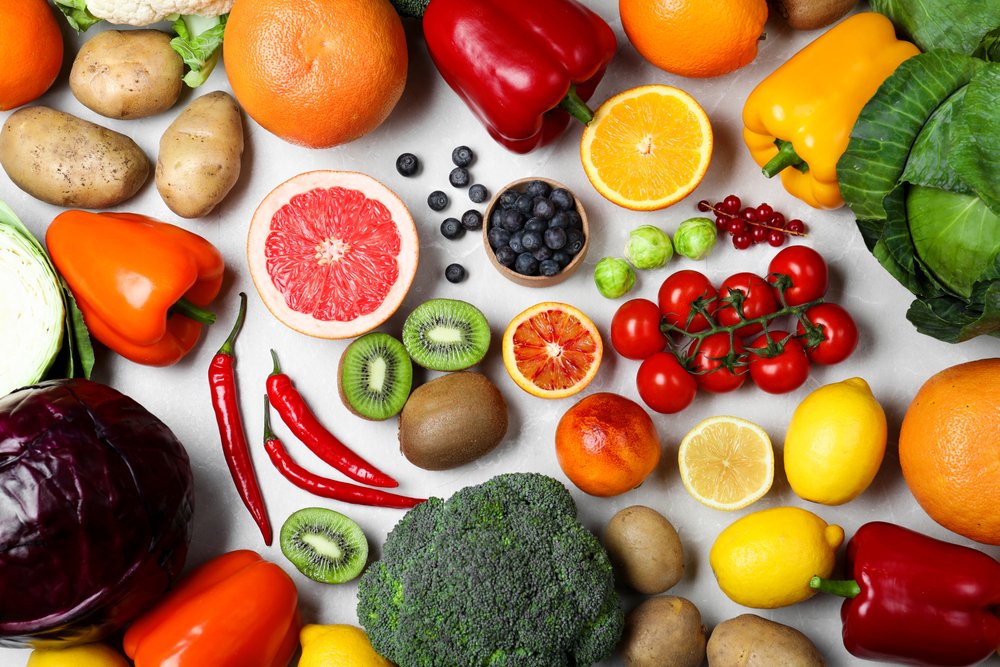
- Berries such as blueberries and strawberries
- Apples and citrus fruits
- Tea
- Cocoa
- Red wine
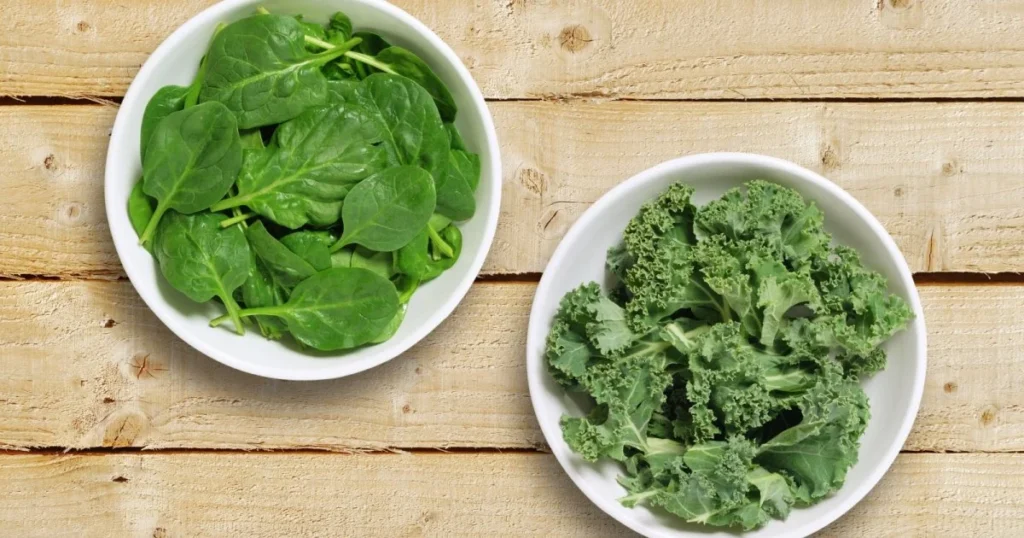
- Vegetables like onions and kale
These compounds have been linked to several health benefits, including improved brain function, reduced inflammation and lower risk of chronic diseases.
Scientists believe flavonoids may support brain health by improving blood flow to the brain, influencing gut microbiome activity and supporting neurotransmitters such as serotonin and dopamine — chemicals closely tied to mood and emotional balance.
The Study: Tracking Diet and Well-Being
The research used data from the Nurses’ Health Study, which has followed tens of thousands of women for decades.
Two large groups of participants were analyzed:
- 44,659 women for the happiness analysis
- 36,723 women for the optimism analysis
Researchers examined how dietary flavonoid intake related to two key aspects of psychological well-being:
- Happiness – a positive emotional state
- Optimism – expecting positive outcomes in life
Participants’ diets were measured using detailed food-frequency questionnaires, while well-being was assessed through standardized psychological surveys over several years.
Key Findings
Women with the highest intake of flavonoid-rich foods were:
- 3–6% more likely to maintain long-term happiness
- Up to 6% more likely to sustain optimism
Eating certain foods showed particularly strong associations with well-being. These included:
- Strawberries
- Apples
- Oranges
- Grapefruit
- Blueberries
Overall, people who consumed around three servings of flavonoid-rich foods per day tended to have better long-term psychological well-being.
A Two-Way Relationship
The researchers also found evidence of a bidirectional relationship between diet and well-being.
Not only did flavonoid intake predict better mood over time, but participants who started the study with higher happiness or optimism were also more likely to continue eating flavonoid-rich diets for up to 18 years.
This suggests that healthy habits and positive mental outlooks may reinforce each other.
Why Flavonoids May Help Mood
Several biological mechanisms may explain the link:
- Reduced brain inflammation
- Improved blood flow to the brain
- Support for neurotransmitters like serotonin and dopamine
- Gut microbiome interactions that influence brain signaling
Together, these effects may help protect brain health and support emotional resilience.
What the Findings Mean
While the benefits observed in the study were modest, the results suggest that simple dietary choices could play a role in emotional well-being.
Researchers conclude that combining healthy eating habits with strategies that support psychological well-being could help improve long-term health and reduce the risk of chronic disease.
In other words, a daily serving of berries, citrus or tea might do more than nourish the body — it may also help support a positive outlook on life.